
Liberia: ‘We Prayed for Peace, Now We Demand Justice’ — Liberian Women Return to Historic Ground, Demand Passage of War Crimes Court Bill
MONROVIA — More than two decades after Liberian women gathered on the grounds of the Invincible Sports Park, praying and mobilizing for an end to the country’s brutal…

Published by FrontPage Africa
Original author: Patience M Jones
Content ownership remains with the original publisher.
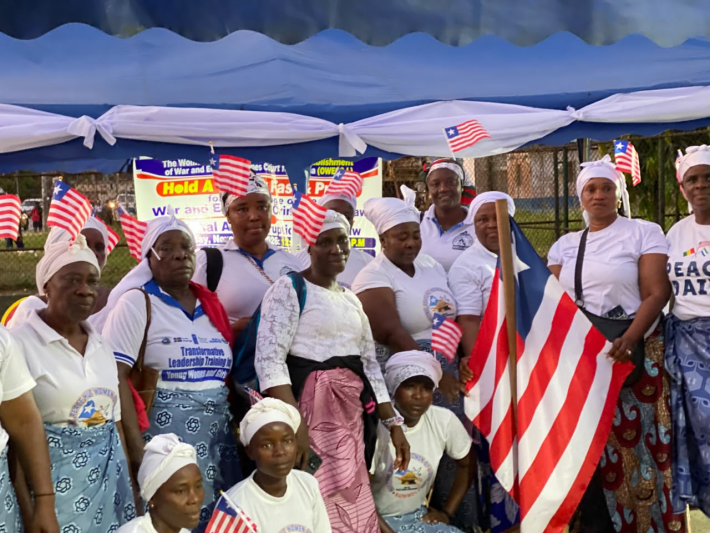
MONROVIA — More than two decades after Liberian women gathered on the grounds of the Invincible Sports Park, praying and mobilizing for an end to the country’s brutal civil war, they have returned to the same historic ground with another urgent national demand: establish the War and Economic Crimes Court and the National Anti-Corruption Court.
By Patience M. Jones
This time, their message is not only a prayer for peace but a demand for justice, accountability, and an end to impunity.
Dressed in white and united by a common purpose, hundreds of women from different religious, social, and community backgrounds gathered at the WIPNET Peace Hut at Invincible Park for a three-day national fast and prayer, held from Wednesday through Friday.
Their message remained consistent throughout the gathering: Sign the War and Economic Crimes Court Bill. Pass the National Anti-Corruption Court Bill. Give Liberia’s victims and survivors the justice they have waited decades to receive.
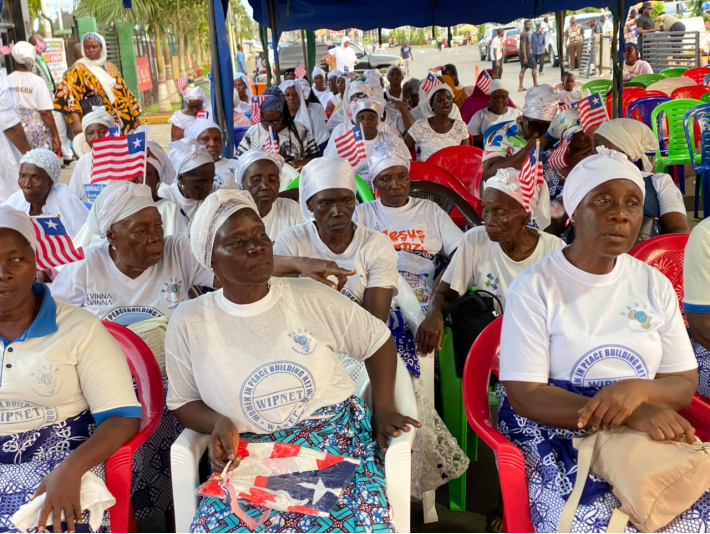
For many of the women, the gathering carried a powerful historical and emotional significance.
The same grounds once witnessed the determination of Liberian women who, despite religious differences, social backgrounds, and the dangers surrounding them, united in prayer and peaceful action during the country’s 14-year civil war.
Through the historic women’s peace movement, they helped build pressure for an end to the conflict and the restoration of peace.
Now, they say the country cannot claim lasting peace while victims and survivors of the civil war continue to wait for justice and those accused of committing atrocities have not been held accountable through the establishment of the promised court.
The three-day spiritual gathering brought together women seeking divine intervention while simultaneously amplifying their calls for government action. The Women NGOs Secretariat of Liberia (WONGOSOL) and the Office for the Establishment of the War and Economic Crimes Court for Liberia (OWECC-L) were among the institutions supporting the advocacy.
Throughout the gathering, emotional testimonies from victims and survivors brought the painful memories of Liberia’s civil war back into focus.
Some participants recounted their experiences during the conflict, sharing stories of suffering, loss, and the lasting consequences of the violence.
Their testimonies added a human face to the country’s transitional justice debate, reminding participants that behind the proposed legislation are individuals and families whose lives were permanently affected by the war.
For these women, establishing the courts is not simply a political or legal undertaking; it is a necessary step toward recognizing victims, confronting the country’s painful past, and ensuring that future generations do not inherit a culture of impunity.
WONGOSOL Calls for Women’s Solidarity and Political Action
Speaking during the gathering, Esther S. Davis Yango, Executive Director of the Women NGOs Secretariat of Liberia (WONGOSOL), called on women across the country to strengthen their solidarity with victims and survivors and intensify their collective advocacy for justice.
Yango emphasized that corruption, weak accountability, and the absence of effective justice mechanisms disproportionately affect women and other vulnerable groups.
She urged women to support one another in pursuing leadership opportunities and demanding justice, stressing that their collective strength must translate into meaningful participation in national decision-making.
As Liberia approaches the 2029 general and presidential elections, Yango reminded women that although they constitute a significant majority of registered voters, their numerical strength must translate into greater political influence, collective political support, and increased representation in elective and appointive positions.
She further challenged women in leadership to recognize those who paved the way for them and use their positions to create opportunities for others.
“Leadership is not simply about occupying a position; it is about recognizing those who paved the way and using one’s position to open doors for others,” was the central message of her remarks.
Yango also warned that women’s continued calls for justice must not be ignored, indicating that if their voices remain unheard, they could mobilize thousands of women for a peaceful march to the Executive Mansion to demand answers.
OWECC-L Demands Legislative Action and Government Funding
Meanwhile, Cllr. Jallah A. Barbu, Executive Director of the Office for the Establishment of the War and Economic Crimes Court for Liberia (OWECC-L), praised the women for their spiritual commitment and renewed determination to pursue justice and accountability.
Barbu described the three-day fast and prayer as a powerful demonstration of the historical role Liberian women have played in sustaining peace and advocating for national transformation.
He called on the Liberian Legislature to act with urgency by passing the War and Economic Crimes Court and National Anti-Corruption Court bills, which he said have already undergone the necessary vetting processes.
“The cries for justice from victims and survivors must no longer be delayed,” Barbu emphasized in his message.
He also called on the Executive Branch to demonstrate strong political will by ensuring that no political hesitation or institutional obstruction delays the establishment of the two courts.
Beyond the passage of the bills, Barbu stressed that the government must demonstrate its commitment through adequate financial allocations in the 2027 National Budget.
He argued that dedicated government funding is essential to ensuring the independence, sustainability, and effective operation of the proposed courts.
According to him, allocating domestic resources would enable the institutions to undertake essential responsibilities, including case mapping and the development of credible judicial structures.
Barbu also appealed to international partners, including ECOWAS, the African Union, the European Union, the United States Government, and the United Nations, to provide technical expertise, security collaboration, and financial support toward making the courts operational.
He maintained that Liberia’s transitional justice process requires both domestic commitment and international solidarity to confront impunity and strengthen the country’s accountability institutions.
A Familiar Ground, A New Demand
As the three-day gathering came to a close, one message continued to echo among the women: the establishment of the two courts must no longer remain a political promise.
For the women, returning to Invincible Park was a reminder of what collective determination can achieve.
They recalled how they once occupied the same grounds, united across religious and social divisions, and prayed for peace when Liberia was consumed by war.
Today, they say they are prepared to return to that historic commitment, this time demanding justice for those who suffered during the conflict.
Their position is that peace without accountability leaves the wounds of war unaddressed and denies victims and survivors the recognition they deserve.
The women say they are prepared to lay down on the same grounds where they once mobilized for peace if that becomes necessary to intensify their campaign for the establishment of the courts.
Their message to the government and lawmakers is unmistakable: the time for promises has passed. They want action.
As Liberia continues its pursuit of national reconciliation and democratic accountability, the women’s renewed mobilization presents a powerful reminder that the demand for justice remains deeply rooted in the country’s peacebuilding history.
For the women gathered at Invincible Park, the struggle has not ended. The prayer that once sought peace has now become a collective demand for justice.
Pass the bills. Sign them into law. Establish the courts.
Published by FrontPage Africa
Original headline, article body, author, publication date, featured media and tags are displayed with attribution. Content ownership remains with the original publisher.
Read on the publisher's site